
Attic Mold Removal in Mansfield, OH
Attic mold removal in Mansfield, OH: growth cleaned from roof decking and trusses, with the roof leak or bathroom venting problem behind it corrected.
Call +1 (844) 468-2611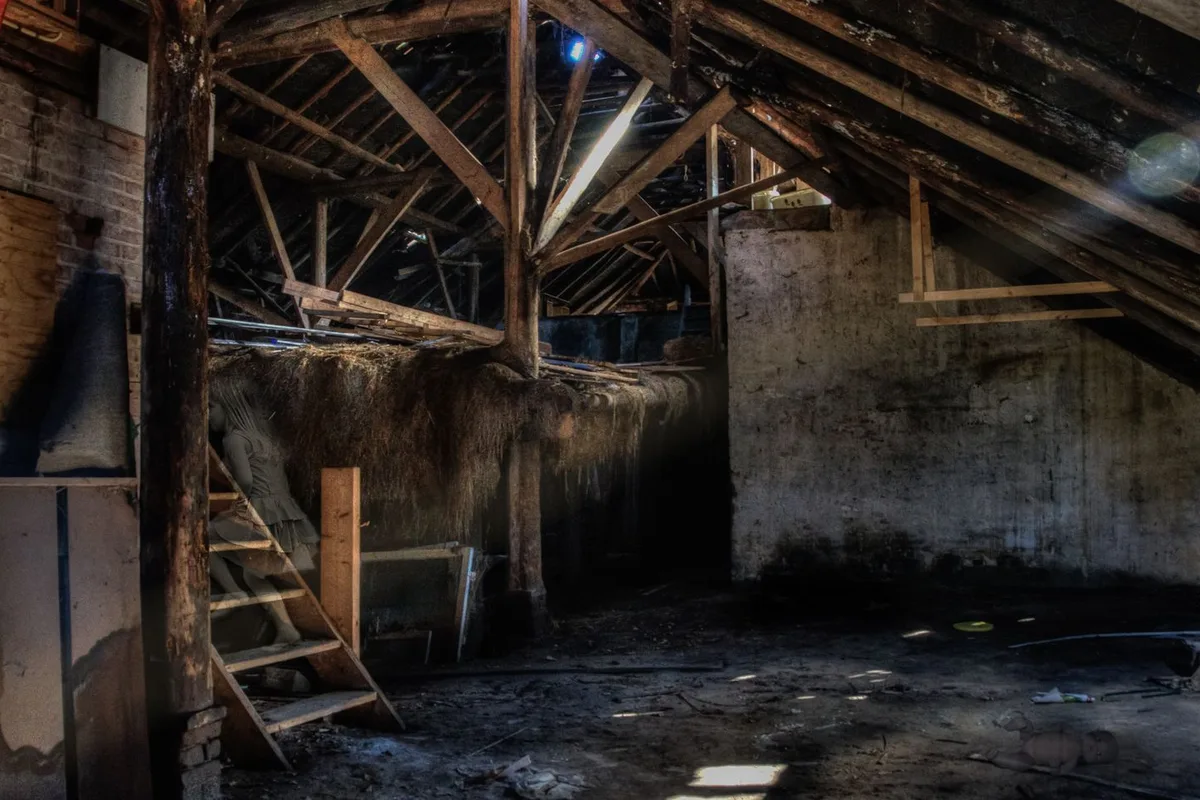
Attic mold is the quietest kind. It grows on the underside of the roof decking and along the trusses, fed by warm moist house air leaking up through the ceiling or by a bathroom fan venting straight into the attic instead of outdoors. Most Mansfield homeowners find it by accident: a home inspector's flashlight during a sale, a roofer's photo during a repair, or a stain spreading on a bedroom ceiling below.
The pattern on the decking tells the story. Frost that forms on the underside of a cold Ohio roof all winter melts on the first warm day and rains down inside the attic, so growth often runs heaviest on the north slope and around nail points. A bath fan dumping into the space paints its own circle of growth above the bathroom. A roof leak makes a third pattern, tight around the entry point. Reading the pattern is how the inspection finds the cause, and the cause decides whether the fix is venting, sealing, a fan reroute or a roof repair.
Removal in an attic is containment work in a tight space. Affected decking and truss surfaces are HEPA vacuumed, scrubbed and treated in place; the wood itself is structural and is cleaned rather than removed wherever it is sound. Insulation that has taken growth or heavy moisture comes out bagged. Access, pitch and how much decking is involved drive the scope, which the inspection maps before any quote.
The job is not finished at clean wood. Without the moisture fix, an attic regrows through the next winter's frost cycle, so the scope pairs the cleaning with the correction: venting added or unblocked, the bath fan ducted outside, ceiling leaks sealed, or the roof leak repaired by your roofer with the timing coordinated.
Signs of an Attic Mold Problem
- Dark staining or fuzz on roof decking or trusses
- A home inspection or roofer flagging growth up there
- Frost or heavy condensation inside the attic in winter
- A bathroom fan that vents into the attic, not outside
- Ceiling stains below the attic that keep returning
The Frost and Melt Cycle Behind Most Attic Mold
In a Mansfield winter, warm air leaking from the house condenses and freezes on the cold underside of the roof. A well-vented attic stays cold and dry enough that little frost forms. A poorly vented or over-warmed one builds a frost layer that melts in the spring thaw and soaks the decking, feeding growth a little more each year. That is why attic mold is as much an airflow problem as a cleaning job, and why the fix always includes the venting and air-sealing side.
Mansfield work has its own pattern. The city sits in the Clear Fork valley with a housing stock that runs from pre-war homes near downtown to post-war neighborhoods on the south side and newer subdivisions out Springmill. Richland County humidity, spring rain and freeze and thaw cycles feed moisture into basements, attics and crawl spaces in every part of the city, so attic mold removal here starts with finding the water, not just the growth.
How the Work Runs
- 1
Attic inspection. Decking, trusses and insulation are checked, with the growth pattern read for its source.
- 2
Source identified. Venting gaps, fan ducts ending in the attic, air leaks or a roof leak are pinned down.
- 3
Contained cleaning. Affected wood is HEPA vacuumed, scrubbed and treated; spoiled insulation is bagged out.
- 4
Drying check. Wood moisture is read to confirm the space is back in the safe range.
- 5
Correction. Venting, ducting or sealing fixes are completed or scheduled with the roof repair, so the cycle stops.
On the visit, the professional confirms access to the work area, checks the moisture readings taken at inspection against the actual conditions, and walks you through the scope before anything is opened up. For attic mold removal, that means you know what will be contained, what will come out, and what the drying targets are before the first bag is filled.
Pets and household routines get planned around, not discovered mid-job. Tell the professional on the call about dogs, kids' schedules and anyone in the home with asthma or a weak immune system, and the containment and timing plan for the attic mold removal work will reflect it.
What Attic Mold Removal Costs
Attic pricing follows the area of decking and framing involved, the access through the hatch, and how much insulation has to come out and be replaced. A single slope above one bathroom is a contained job; growth across the whole deck from a venting failure is a bigger one, and the venting correction is quoted as its own line. The written quote after inspection separates cleaning from correction so you can see both halves.
Keeping the Attic Dry Afterward
Keep soffit vents clear of insulation, confirm every bath and kitchen fan ducts outdoors, and seal the ceiling penetrations, hatch, pipes and light fixtures, that leak house air upward. Take a flashlight up once each winter: frost glittering on the decking is the early warning, and it is free to catch.
Attic Mold Removal Questions
Does attic mold mean I need a new roof?
Usually not. The decking is cleaned in place when the wood is sound, and most attic mold traces to venting or a fan duct, not a failed roof. If a leak is the source, that repair is a roofer's job and the timing gets coordinated.
Will attic mold spread into the house?
Spores travel on air, and attic air does exchange with house air through leaks. Cleaning the growth and sealing the ceiling plane cuts that path. The bigger risk of leaving it is the decking itself, which weakens over years of wet cycles.
Can I spray it myself with a store-bought treatment?
Small, reachable patches get sprayed by homeowners often; the miss is that spray does not fix the moisture, and growth across a full slope is more than a spray bottle job. If an inspector or a sale is involved, documented professional cleaning carries more weight.
Related Mold Services
Questions about attic mold removal for your home? Call +1 (844) 468-2611 and speak directly with a Mansfield mold professional. For the federal guidance behind the process on this page, see the EPA's mold guidance.
Talk to a Mansfield Mold Professional
Describe where the mold or moisture is and get clear next steps, with any quote in writing after an inspection.