
Basement Mold Removal in Mansfield, OH
Basement mold removal in Mansfield, OH: growth removed from walls, framing and stored items, with the seepage, sump or humidity source corrected.
Call +1 (844) 468-2611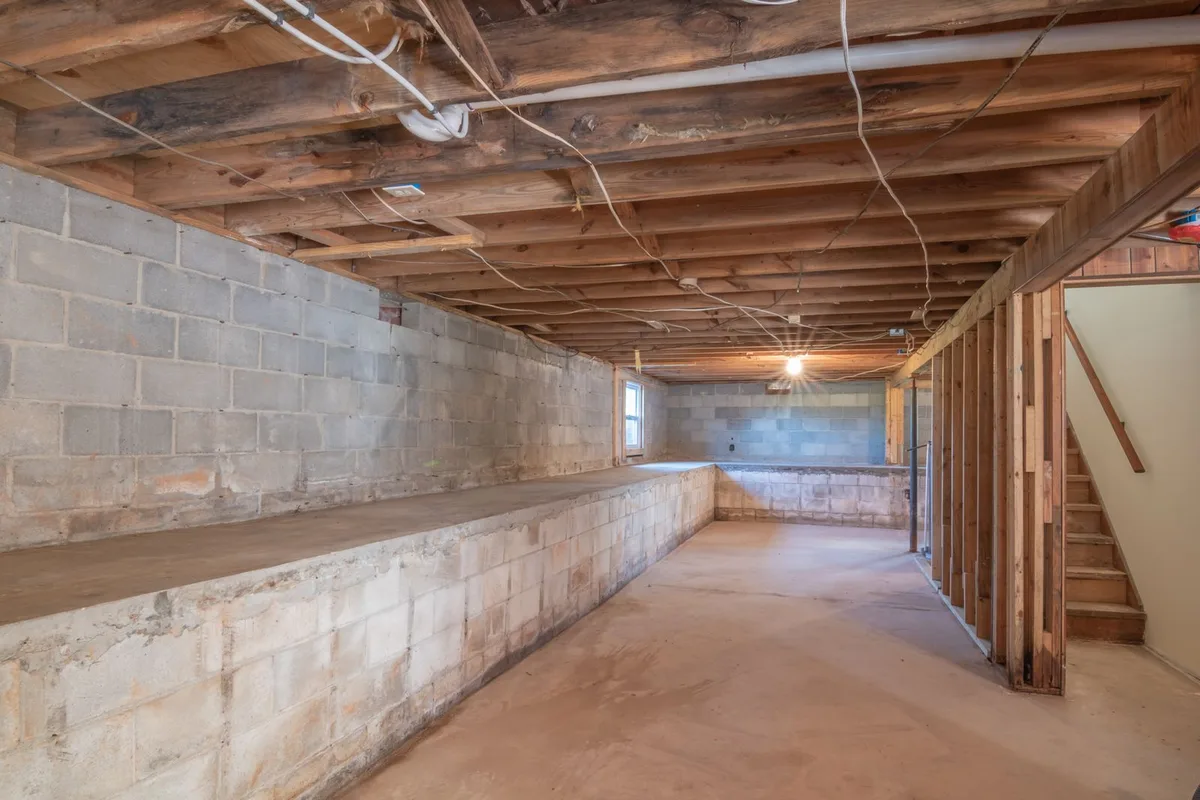
The basement is where Mansfield mold most often starts, and it is easy to see why. Below-grade walls sit against wet Ohio soil for much of the year, spring rain and snowmelt push water toward foundations, and many city basements were built as storage and utility space, never meant to stay dry like a living room. Add a slow plumbing drip, a sump that cannot keep up, or gutters dumping at the foundation, and the walls, framing and stored boxes become a steady food supply.
Basement mold removal starts with the water audit, because the removal plan depends on which water it is. Seepage through a foundation crack, condensation sweating on cold walls and pipes in summer, and a high water table pushing up through the floor slab are three different problems with three different fixes. The inspection sorts out which ones your basement has, and how far the growth has run through finishes, framing and belongings.
The removal itself follows the containment process: work zones sealed, air filtered, moldy drywall, insulation and carpet taken out bagged, and salvageable framing and masonry cleaned and treated. Stored items get sorted honestly with you: porous things like cardboard, upholstery and paper that have taken growth are usually not worth saving, while hard goods can be cleaned and kept.
Drying is the finish line. A basement can look clean and still be wet enough in the walls to regrow in a month, so the job ends at measured moisture targets, not at appearances, with a dehumidification and drainage plan sized for the space so the result holds through the next wet spring.
Signs Your Basement Has a Mold Problem
- Musty smell that hits you on the basement stairs
- White, green or black growth on walls or joists
- Efflorescence, the white mineral crust, on block walls
- Stored boxes and fabrics that feel damp or spotty
- Water stains, puddling or a sump that runs constantly
Finished vs. Unfinished Basements
An unfinished basement is the simpler job: growth sits on open masonry and framing where it can be seen, cleaned and dried directly. A finished basement hides its problem. Growth behind drywall and paneling can run for a full season before the smell gives it away, and the fix involves opening the lower wall, removing wet insulation, and cleaning the cavity. The inspection uses moisture readings through the finish to map how much wall really needs to open, so good material stays.
Mansfield work has its own pattern. The city sits in the Clear Fork valley with a housing stock that runs from pre-war homes near downtown to post-war neighborhoods on the south side and newer subdivisions out Springmill. Richland County humidity, spring rain and freeze and thaw cycles feed moisture into basements, attics and crawl spaces in every part of the city, so basement mold removal here starts with finding the water, not just the growth.
How the Work Runs
- 1
Water audit. Seepage points, sump and drainage, gutter discharge and condensation sources are identified first.
- 2
Containment. The basement work zone is sealed from the upstairs, with HEPA-filtered negative air running.
- 3
Removal and sort. Moldy finishes and unsalvageable porous items come out bagged; framing and masonry are cleaned and treated.
- 4
Drying to target. Dehumidifiers and air movers run until wall and framing moisture hit the agreed levels.
- 5
Source correction. The seep, drainage or humidity fix is completed or scheduled, with a prevention plan for the space.
On the visit, the professional confirms access to the work area, checks the moisture readings taken at inspection against the actual conditions, and walks you through the scope before anything is opened up. For basement mold removal, that means you know what will be contained, what will come out, and what the drying targets are before the first bag is filled.
Pets and household routines get planned around, not discovered mid-job. Tell the professional on the call about dogs, kids' schedules and anyone in the home with asthma or a weak immune system, and the containment and timing plan for the basement mold removal work will reflect it.
What Basement Mold Removal Costs
Basement pricing follows the affected square footage, the finishes involved and the drying load. Cleaning growth off open block walls in an unfinished basement sits at the low end. Opening finished walls, replacing insulation and drywall, and correcting a drainage problem build from there. The written quote after inspection separates the removal from the water fix, so you can stage the work if the budget needs it.
Keeping a Mansfield Basement Dry
Grade soil away from the foundation, extend downspouts well past the walls, and keep gutters clear so spring storms do not pour at the base of the house. Run a self-draining dehumidifier to hold the basement near 45 percent humidity, store belongings in plastic bins off the floor, and test the sump before the spring thaw, not during it.
Basement Mold Removal Questions
Can I just paint over basement mold with sealer paint?
Sealer paint over live growth on a wet wall fails: the growth continues behind the film and the paint peels with the moisture. Clean and dry first, fix the water, and then a masonry sealer is a reasonable finishing step.
Is the white fuzz on my block walls mold?
Sometimes it is growth, and sometimes it is efflorescence, mineral salts left by water moving through the block. They look similar and both mean the wall is wet. The inspection tells them apart and, either way, the water is the thing to fix.
Will removal get rid of the musty smell upstairs?
Yes, when the basement source is fully removed and dried. Basement air rises through the house, which is why a basement problem perfumes the whole home. Soft goods that absorbed the smell may need their own cleaning.
Related Mold Services
Questions about basement mold removal for your home? Call +1 (844) 468-2611 and speak directly with a Mansfield mold professional. For the federal guidance behind the process on this page, see the EPA's mold guidance.
Talk to a Mansfield Mold Professional
Describe where the mold or moisture is and get clear next steps, with any quote in writing after an inspection.