
Mold Testing in Mansfield, OH
Mold testing in Mansfield, OH: air and surface samples analyzed by an accredited lab, with results explained in plain language and tied to next steps.
Call +1 (844) 468-2611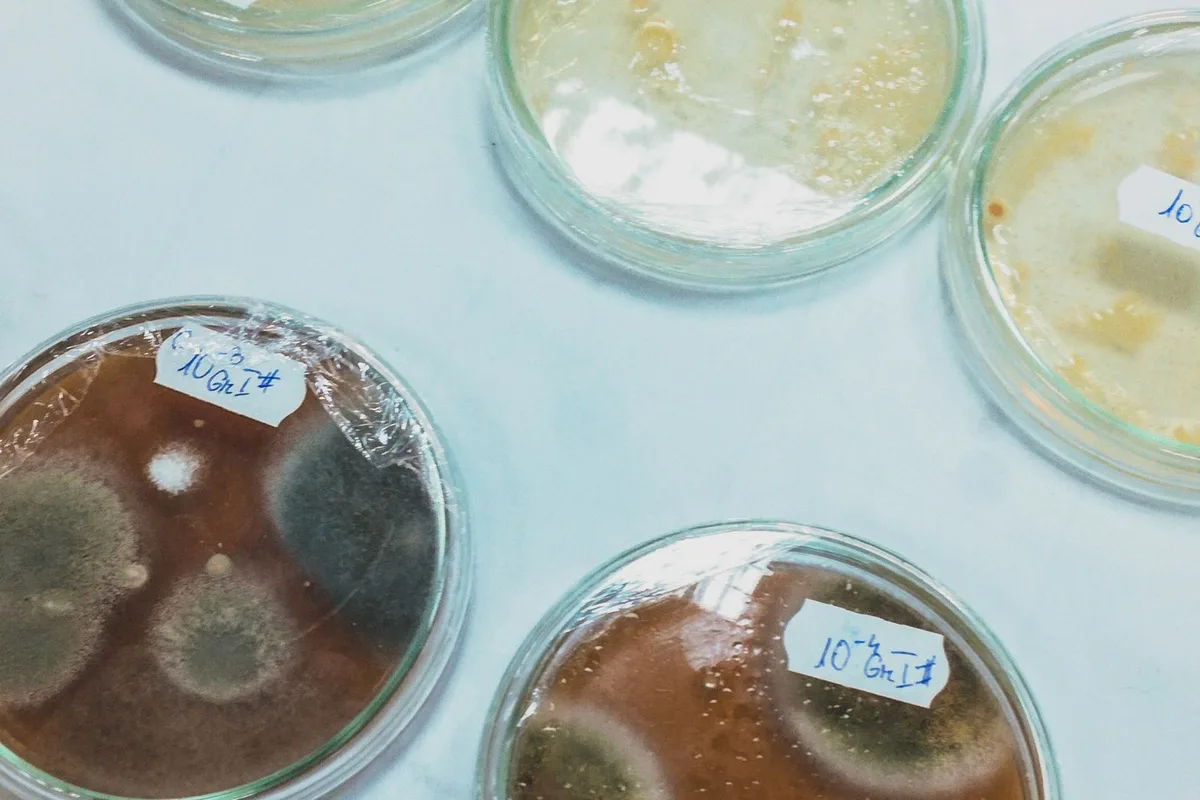
Mold testing answers a narrower question than most people expect: what types of mold are present, and in what concentration compared with the air outside. Samples are taken as air cassettes, surface swabs or tape lifts, sealed and sent to an accredited laboratory. The lab report identifies the genera present and the spore counts, and the professional walks you through what the numbers mean for your home.
Testing earns its place in specific situations. When growth is suspected but not visible, testing can confirm whether a wall cavity or a room's air carries an elevated load. When a home is being bought or sold, a lab report gives both sides the same facts. When someone in the home has health concerns, the report is a document a doctor or landlord can work from. And after remediation, clearance testing verifies the work did what it was supposed to do.
What testing does not do is replace an inspection. A lab can tell you what is in a sample; it cannot tell you where the growth is, how far it runs or what is feeding it. That is why testing here is booked alongside or after an inspection, with samples taken where the inspection says they will mean something, instead of random swabs that produce numbers nobody can act on.
You will also hear it straight if testing would not change anything. When growth is visible and the scope is clear, the type of mold rarely changes the remediation: containment, removal and drying are the same work. In that case the professional will say so, and save you the lab fee.
When Testing Is Worth Doing
- A musty smell or symptoms with no visible growth
- A home purchase or sale with a mold question open
- A landlord, tenant or insurance documentation need
- Suspected growth inside walls, ducts or a crawl space
- Clearance verification after a remediation job
How Samples Are Taken
Air samples are drawn through calibrated cassettes, indoors in the rooms of concern and outdoors as the baseline every indoor result is compared against. Surface samples come from swabs or tape lifts on the suspect material. Each sample is labelled, sealed and sent with chain-of-custody paperwork to the lab. Results typically return within a few business days, and you get the full report plus a plain-language walkthrough of what it means and what happens next.
Mansfield work has its own pattern. The city sits in the Clear Fork valley with a housing stock that runs from pre-war homes near downtown to post-war neighborhoods on the south side and newer subdivisions out Springmill. Richland County humidity, spring rain and freeze and thaw cycles feed moisture into basements, attics and crawl spaces in every part of the city, so mold testing here starts with finding the water, not just the growth.
How the Work Runs
- 1
Plan from the inspection. Sample locations are chosen where results will change a decision, not at random.
- 2
Outdoor baseline. An outside air sample is taken first, since indoor counts only mean something against it.
- 3
Indoor samples. Air cassettes and surface samples are collected in the rooms and materials of concern.
- 4
Lab analysis. Samples go to an accredited lab; you receive the full written report when it returns.
- 5
Results walkthrough. The professional explains the findings and ties them to a scope: no work, targeted work, or full remediation.
On the visit, the professional confirms access to the work area, checks the moisture readings taken at inspection against the actual conditions, and walks you through the scope before anything is opened up. For mold testing, that means you know what will be contained, what will come out, and what the drying targets are before the first bag is filled.
Pets and household routines get planned around, not discovered mid-job. Tell the professional on the call about dogs, kids' schedules and anyone in the home with asthma or a weak immune system, and the containment and timing plan for the mold testing work will reflect it.
What Testing Costs
Testing cost is the visit plus the lab fee per sample, so the total depends on how many samples the plan calls for. A focused plan for one concern might run two or three samples; a whole-home or clearance plan runs more. The professional will quote the full testing price, lab fees included, before any sample is taken, and the report is yours to keep and share.
Reading the Report Without the Panic
Every home has mold spores in its air; the report matters in the comparisons. Indoor counts well above the outdoor baseline, or types indoors that do not appear outside, point to an indoor source growing somewhere. The walkthrough focuses on that comparison and on the water source behind it, because the fix is always the same order: find the growth, remove it under containment, dry the space, fix the moisture.
Mold Testing Questions
Can a test tell me if the mold is dangerous?
The lab identifies mold types and counts, and some types are associated with more health concern than others. What the report cannot do is diagnose anyone. If health is the worry, take the report to your doctor; take the growth itself to remediation either way.
How long do results take?
Most lab results return within a few business days. Rush analysis is sometimes available for a fee when a closing date or a clearance deadline is pressing.
Do I need testing before remediation can start?
Usually not. Visible growth with a clear scope can go straight to a remediation quote. Testing is booked when it will change the plan or document the result.
Related Mold Services
Questions about mold testing for your home? Call +1 (844) 468-2611 and speak directly with a Mansfield mold professional. For the federal guidance behind the process on this page, see the EPA's mold guidance.
Talk to a Mansfield Mold Professional
Describe where the mold or moisture is and get clear next steps, with any quote in writing after an inspection.