
Why Mansfield Basements Grow Mold: And How to Stop It
A Mansfield basement does not grow mold because it is dirty. It grows mold because it is wet, in one of four predictable ways. This guide walks the four, how to tell which one your basement has, and the fixes in the order they pay off.
Call +1 (844) 468-2611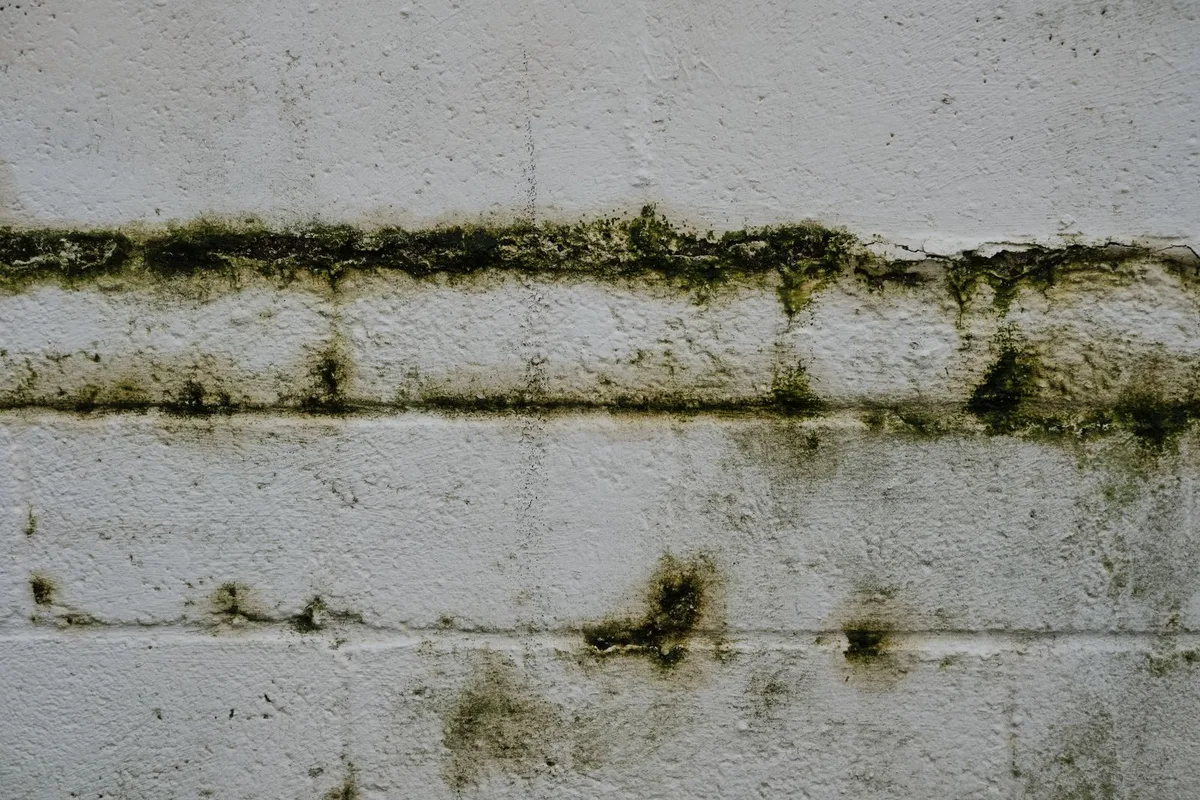
Reason one: water through the foundation
Block and fieldstone foundations, which sit under most older Mansfield homes, are not waterproof; they are sponges with good posture. Spring rain and snowmelt raise the water in the soil, and it moves through the wall as seepage, as efflorescence, the white crust it leaves behind, and in wet years as actual puddles. A wall that wets every spring grows mold every summer on whatever touches it: paneling, drywall, stored cardboard, the back of anything left against it.
Reason two: the house pours its own water
Gutters clogged with the neighborhood's leaves overflow at the foundation line. Downspouts that end at the base of the wall deliver the whole roof's rain to one spot of soil. Grading that has settled toward the house over decades walks surface water home. A remarkable share of wet basements are being watered by their own roofs, and this is the cheapest of the four reasons to fix: clear gutters, long downspout extensions, and soil sloped away.
Reason three: summer condensation
A basement wall in July is the coldest surface in the house, and humid Ohio air condenses on it the way it does on a cold glass. Pipes sweat, block walls bead, and the air itself sits at a humidity where mold grows on dust alone. This is the reason basements smell worst in August even in homes that never leak. The counter is a self-draining dehumidifier holding the space near 45 percent humidity, plus insulation on the cold water lines.
Reason four: the small mechanical failures
A sump pump that dies during the one storm it was needed. A water heater that lets go at year fifteen. A washing machine hose, a toilet supply line, a condensate drain that clogs quietly for a season. These are events, not conditions, and the mold outcome depends on the response time: dried within 24 to 48 hours, most materials stay clean; left for a week, the basement has a growth problem layered on top of the repair.
The Mansfield Angle
Telling which reason is yours
Patterns talk. Growth low on the walls after rain points to the foundation. Growth and smell peaking in late summer with dry walls points to condensation. A single wet area with a fixture above it points to plumbing. Water marks at the base of one wall, under a downspout, point to the roof. An inspection with moisture readings confirms the pattern, and matters because each reason has a different fix, and fixing the wrong one buys the mold another season.
The order of fixes that pays off
Start outside and cheap: gutters, downspouts, grading. Then control the air: dehumidification sized for the space, running all summer. Then the structure: foundation cracks and seepage paths addressed, interior drainage where the water table demands it. And keep the event kit ready: know where the water shutoff is, keep the sump tested before spring, and treat any water entry as a 48-hour clock. A basement managed in that order stays dry enough that mold loses its food, which is the only permanent fix there is.
The seasonal rhythm
Mansfield basements follow the calendar. Spring rain and snowmelt raise the water table and test every foundation crack. Summer humidity loads the air, and every cool surface, from ductwork to the slab, sweats. Autumn leaves clog gutters and send roof water over the side at exactly the wrong spots, and winter freeze and thaw works cracks wider. Homeowners who check the basement at each turn of the season, after the first big rain and during the first humid week, catch problems while they are still small and dry.
What a dry basement actually takes
None of the fixes in this article is exotic, and most Mansfield basements need only two or three of them. The order matters more than the budget: stop liquid water first with gutters, grading and crack repair, then manage vapor with a sealed liner or slab and a covered sump, then hold the air near 45 percent humidity with a self-draining dehumidifier. Done in that order, each step makes the next one cheaper, and the musty smell that started the search usually fades within a few weeks of the space actually drying. If growth is already established, removal comes first and the drying plan follows it, so the cleaned space is defended by the same fixes that would have prevented the problem. That pairing, removal plus a written moisture plan, is what a professional quote should include, and it is worth asking for by name before you sign anything.
Questions This Guide Raises
Do these guides replace an inspection?
No. They help you judge what you are looking at and ask better questions. The size of a real job, especially anything hidden, is set by an inspection with moisture readings in your actual home.
Where does the guidance in these articles come from?
From the same public sources the professionals use, starting with the U.S. Environmental Protection Agency's mold guidance, applied to the housing stock and weather of Richland County.
Reading about your exact problem? Call +1 (844) 468-2611 and describe it to the professional directly. The inspection turns the general guidance into a plan for your home.